
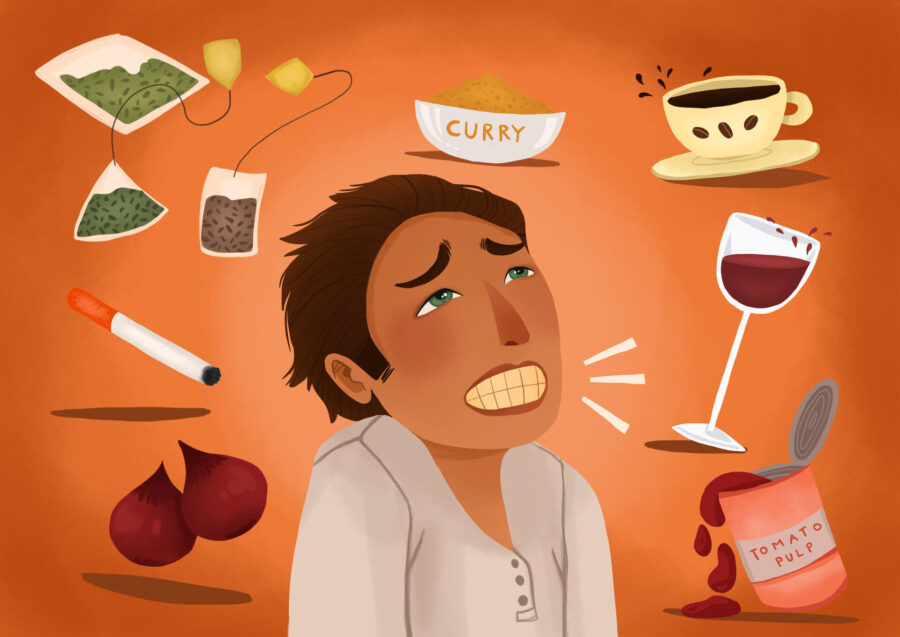
What Causes Tooth Discoloration Beyond Coffee & Tea?
March 10, 2026 9:00 amCoffee and tea are often the first things people blame when their teeth start looking darker. Those beverages certainly can stain enamel over time, but they’re only part of the story. Many patients who drink very little coffee or tea still notice their teeth gradually losing brightness.
The truth is that tooth discoloration can develop for several different reasons, and not all of them are related to what you drink. Some stains develop on the surface of the teeth from everyday habits, while others occur deeper within the tooth structure as enamel changes over time.
At River Stone Dental Center in Germantown, MD, Dr. Peajmun Razmjou helps patients sort through these possibilities during dental exams. Identifying the cause of discoloration often makes it easier to determine whether whitening, cleaning, or another cosmetic option will produce the best result.
Natural Changes in Enamel Over Time
One of the most common reasons teeth appear darker over the years is simply natural aging. The outer layer of each tooth, called enamel, is slightly translucent. Beneath that layer sits dentin, which has a naturally yellow tone. As enamel slowly becomes thinner from years of chewing, brushing, and everyday wear, more of the underlying dentin becomes visible.
This gradual shift can make teeth appear more yellow or slightly darker even when they are healthy. Because the change happens slowly, many people only notice it when comparing photos from several years apart.
Red and White Wine
Wine is another common contributor to tooth discoloration that many people don’t immediately consider. Red wine contains dark pigments called chromogens, which can cling to enamel and leave behind stains over time. White wine, while lighter in color, can still play a role because of its acidity. The acid can temporarily soften enamel, making teeth more susceptible to staining from other foods and drinks consumed afterward.
For patients who regularly enjoy wine, something as simple as rinsing with water afterward can help reduce how much pigment remains on the teeth.
Tobacco Use
Tobacco products are another frequent source of staining. Both smoking and chewing tobacco contain compounds that can gradually discolor enamel, often producing yellow or brown stains that build up over time. These stains tend to adhere strongly to the tooth surface and may be more stubborn than stains caused by food or beverages.
Regular dental cleanings can remove much of this buildup, but long-term tobacco use often leads to deeper discoloration.
Certain Medications
Some medications can also affect the color of teeth. Certain antibiotics, particularly those in the tetracycline family, have historically been associated with deeper discoloration when taken while teeth are still developing. Other medications may not stain teeth directly but can cause dry mouth, which allows staining pigments to remain on the teeth longer.
When evaluating tooth discoloration, dentists often consider a patient’s medical history to determine whether medications may be contributing to the change.
Dental Injuries
Sometimes discoloration appears in a single tooth following a dental injury. Even when a tooth doesn’t crack or break visibly, trauma can affect the internal structures of the tooth. Over time, this can cause the tooth to darken or develop a grayish appearance.
When a single tooth becomes noticeably darker than the others, dentists often investigate whether a previous injury may be responsible.
Enamel Wear and Acid Exposure
Frequent exposure to acidic foods and drinks can gradually wear down enamel. As enamel becomes thinner, the dentin underneath becomes more visible, which can make teeth appear darker or more yellow. Beverages such as sodas, sports drinks, citrus drinks, and energy drinks can contribute to this process over time.
Grinding or clenching the teeth can also accelerate enamel wear, which may subtly change the brightness of the smile.
Certain Mouth Rinses
Some therapeutic mouth rinses can also contribute to staining when used frequently or for extended periods.
Rinses containing ingredients such as chlorhexidine or cetylpyridinium chloride are effective at controlling bacteria and reducing gum inflammation, but they may also cause brown or yellow surface staining if used long-term.
These rinses are often prescribed for short periods during periodontal treatment or after dental procedures. When used as directed, they can be very helpful. If staining does occur, professional dental cleanings can usually remove it.
Plaque and Tartar Buildup
In some cases, discoloration is simply the result of plaque or tartar accumulation. When plaque is not removed regularly through brushing and flossing, it can harden into tartar along the gumline. Tartar often appears yellow or brown and can make teeth look darker than they really are.
A professional dental cleaning can remove these deposits and often restore a noticeably brighter appearance.
Ditch Yellow Teeth at River Stone Dental Center in Germantown, MD
Tooth discoloration can develop for many different reasons, which is why identifying the underlying cause is the first step toward improving the appearance of a smile. In some cases, a professional cleaning or whitening treatment may be all that is needed. In others, cosmetic treatments may provide a more predictable solution.
At River Stone Dental Center in Germantown, MD, Dr. Peajmun Razmjou evaluates changes in tooth color carefully to determine the most appropriate approach for each patient.
If you have noticed your teeth becoming darker or stained and would like to explore ways to brighten your smile, scheduling an appointment at River Stone Dental Center in Germantown, MD can help you better understand the cause and the available options.
Contact UsImage from Authority Dental under CC 2.0
Categorised in: Dental Tips, Oral Hygiene, Teeth Whitening